
Monday, 24 August 2015
Kuwait and Iran’s terror attack

Sunday, 23 August 2015
Iran-associated militants threaten oil companies in Basra
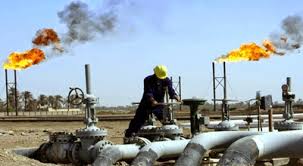
Iran-linked militants in Basra
are threatening foreign oil companies in an attempt to sabotage popular
demonstrations and the reforms launched by Iraqi Prime Minister Dr. Haider
al-Abadi.
The issue of Dr. al-Abadi’s
reforms in Iraq and the events in Basra Province in southern Iraq in the month
of August led to the Prime Minister’s trip to this province.
What was the main reason behind
this visit? In this piece we will attempt to discuss this matter in detail.
Khomeini, The Very First ISIS Man
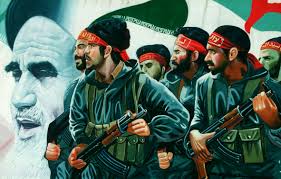
To this day we
have heard many reports upsetting us all on the crimes committed by ISIS in
areas under their control. This criminal group is using various tactics and
methods to murder and torture people, and today’s mankind cannot even tolerate
to watch it.
Saturday, 22 August 2015
Iran after the nuclear accord – Increasing or decreasing meddling in the Middle East
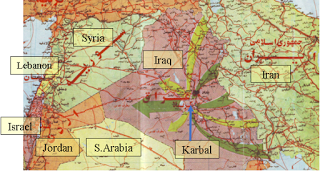
The main
characteristic of the Iranian regime, differencing it from other dictatorial
regimes, is its meddling in other countries dubbed by its senior officials as
“exporting the revolution”, killings and massacre in other countries. When
Khomeini was forced to give in to the 1988 ceasefire in the Iran-Iraq War, his
regime began focusing on meddling in countries across the Middle East. This
meant they had suffered a major defeat in the war with Iraq and sought to
compensate their losses through such interferences.
Friday, 21 August 2015
Iran’s measures to prevent Maliki’s prosecution in Iraq
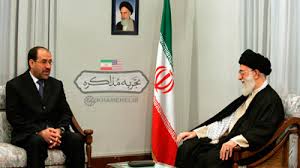
The
Iranian regime is gravely concerned of the Iraqi government’s reforms carried
out by Prime Minister Haider al-Abadi under pressures from popular
demonstrations. The reason is these reform have targeted Iran’s top political
proxy in Iraq, being former prime minister and dismissed vice president Nouri
al-Maliki. I have obtained news from various sources inside Iran about Tehran’s
measures to prevent the arrest and prosecution of Maliki. Below is a list of
these reports shedding light on the depth of Iran’s influence in Iraq:
Thursday, 20 August 2015
Introducing a Quds Force-linked terrorist militant group in Iraq and Syria
Group Name: Katayeb Imam Ali
Area of Activity: Syria and Iraq
– currently 1,000 men in Syria
Date of Formation: May 2014
Group Leader: Sheikh Shebel
al-Zeidi
Deputy: Ali Mousavi (Abu
Hassanein)
In May 2014 under orders issued
by Iran’s Revolutionary Guards Quds Force, former Iraqi prime minister Nouri
al-Maliki gathered those members of the Asaeb al-Haq and Katayeb Imam Ali
unhappy about their wages from their own groups, organizing them under a single
command unit. Their ranks and files numbered at 2,000 back then and under Quds
Force advice Maliki appointed an individual by the name of Sheikh Shebel
al-Zeidi as the commander of this unit. This individual had very close
relations with Quds Force chief Qassem Suleimani.

Wednesday, 19 August 2015
Iran’s efforts to maintain militants in Iraq
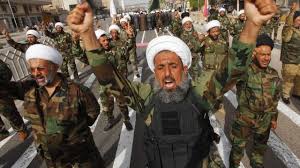
At
a time when the Iraqi people are in their massive nationwide demonstrations
demanding government officials respond to their basic living necessities, and
all countries across the region are emphasizing on the people’s legitimate
rights, Iran is in pursuit of its own policy.
Subscribe to:
Posts (Atom)